Licking, Chewing, Scratching – Is It a Hot Spot?
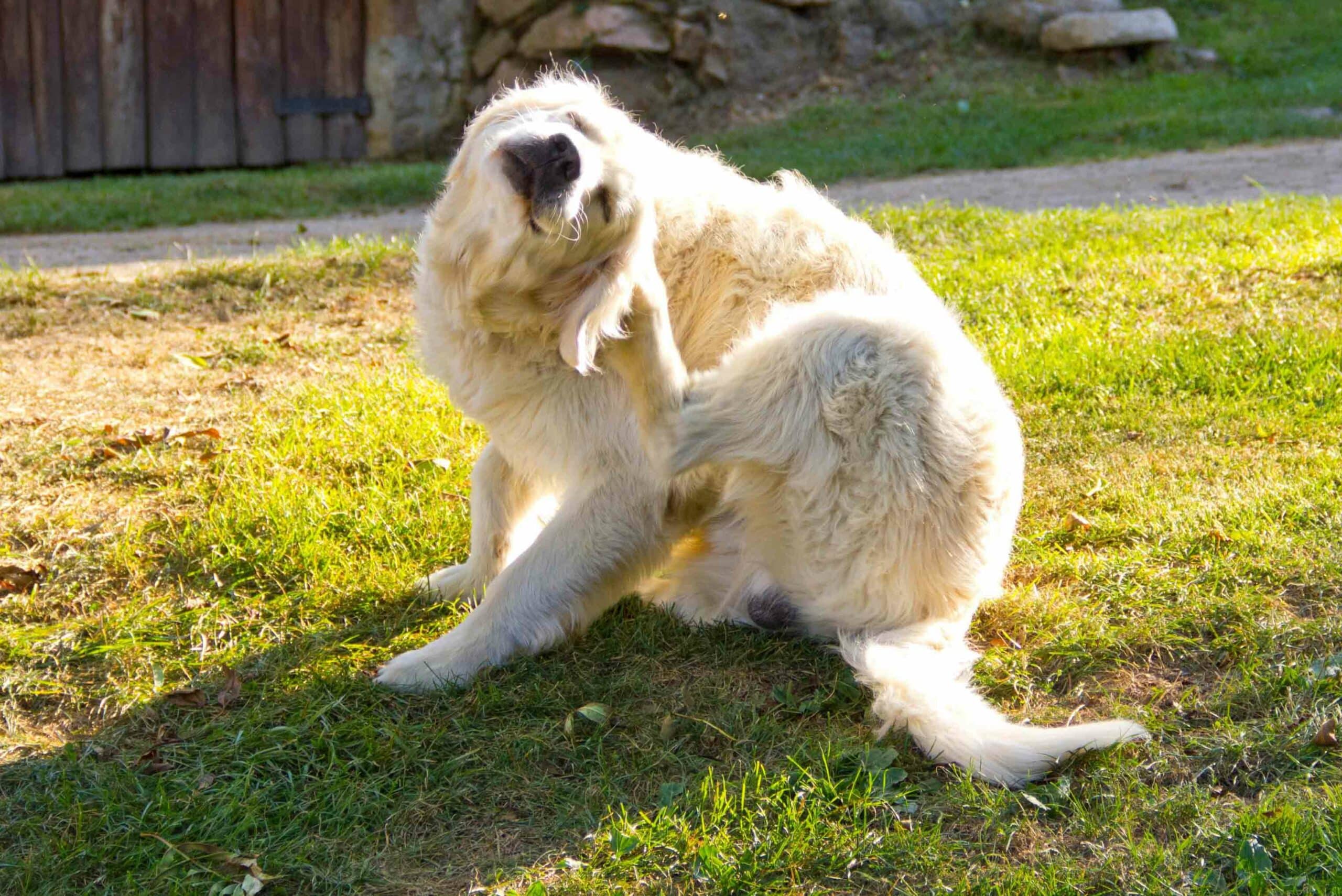
If your dog won’t stop licking, chewing, or scratching one spot, it’s natural to wonder:”Is something wrong with my pet?”. While occasional itching can be common in pets, constant attention to one area can signal a more serious issue, like a hot spot. These inflamed patches of skin can appear almost overnight and quickly become painful and infected without treatment.
Let’s explore what hot spots are, what causes them, and how to help your dog heal fast.
What Are Hot Spots?
Hot spots, also called acute moist dermatitis, are irritated, inflamed areas of skin that often become red and painful. They’re often found on a dog’s head, hips, neck, by tail, or chest, though they can appear anywhere. These sores tend to develop rapidly and often worsen as dogs continue to lick, chew, or scratch them. You might notice:
- A red, raw-looking sore
- Hair loss around the area
- Moist or oozing skin
- A foul odor from the site
- Your dog constantly chewing or licking the same spot
What Causes Hot Spots in Dogs?
A hot spot often starts with an itch. What makes it worse is the dog’s response. When a dog chews, licks, or scratches obsessively, it damages the skin and creates an opening for bacteria. Once bacteria enter, inflammation and infection can set in quickly.
Common Triggers for Hot Spots:
- Fleas or ticks: Just one bite can cause intense itching.
- Allergies: Food, pollen, mold, or dust can make skin extra sensitive.
- Moisture trapped in fur: Especially common in dogs who swim or aren’t dried off properly.
- Mats and tangles: These can trap moisture and irritate the skin
- Stress or anxiety: Some dogs lick or chew themselves as a coping mechanism.
- Underlying skin infections or wounds: Can escalate quickly if unnoticed.
How to Tell If It’s a Hot Spot
It’s not always easy to distinguish between a hot spot or a more serious skin issue. Our team is here to help with both the diagnosis and suggested treatment of these skin issues.
How Are Hot Spots Treated?
Hot spot treatment focuses on healing the wound, relieving discomfort, and preventing infection. Here’s what we may recommend, depending on the severity and diagnosis of the hot spot:
- Clipping and cleaning the affected area
- Pet-safe topical sprays or ointments to soothe inflammation
- Antibiotics or antifungals if infection is present
- Elizabethan collar (cone) to stop further self-trauma
- Identifying and treating the underlying cause
Never try to treat a suspected hot spot at home without guidance. Applying the wrong product or delaying care can make it worse.
How to Prevent Hot Spots
Prevention is key—especially for dogs prone to allergies, sensitive skin, or thick coats.
Tips to Help Reduce the Risk:
- Keep your dog well-groomed, especially during shedding seasons
- Dry thoroughly after baths or swims
- Use year-round flea and tick prevention
- Address allergies with our guidance
- Make sure your dog has plenty of mental stimulation and exercise to reduce stress-based behaviors
Other Skin Problems That Look Like Hot Spots
Hot spots aren’t the only cause of itching and licking. Dogs can suffer from a range of pet skin problems that look similar. These include:
- Flea allergy dermatitis
- Food allergies
- Yeast or bacterial infections
- Mast cell tumors or other types of skin cancer
- Ringworm
- Contact dermatitis (from grass, cleaning products, etc.)
That’s why it’s important to get an accurate diagnosis. Treating the wrong condition may not help—and can even make things worse.
When to Call Your Veterinary Team
If your dog’s skin irritation is worsening, painful, or persistent, it’s time to seek veterinary care. Don’t hesitate to call us if:
- The area is oozing or bleeding
- Your dog seems in pain or unusually agitated
- Pet-safe, over-the-counter solutions aren’t working
- The hot spot grows larger in 24–48 hours
Left untreated, hot spots can become severely infected and very uncomfortable for your dog. Early care not only shortens recovery time but also helps uncover any underlying issues.
Healthy Skin = A Happier Pup
Skin irritation may seem like a small issue, but it can quickly become serious—especially with hot spots. Paying attention to your dog’s licking, chewing, or scratching habits can make all the difference. When in doubt, our veterinary team is your best resource for identifying and treating these painful patches.
By staying proactive with grooming, parasite control, and regular checkups, you can help keep your dog’s skin healthy and comfortable year-round.